
4 Reverse Mortgage Questions Families Ask: Moving, Heirs & Care
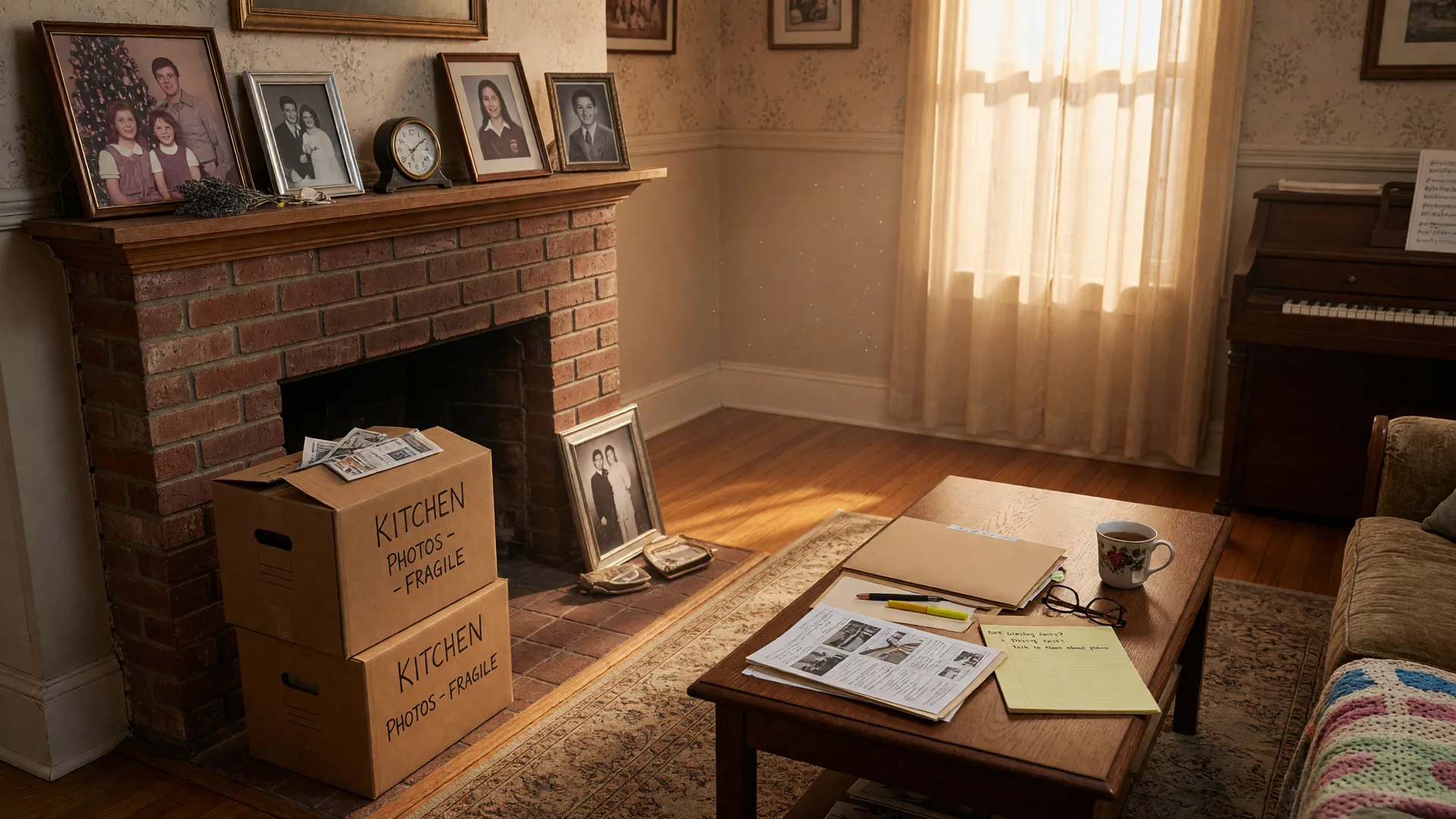
Four questions come up in my office that families rarely see answered in plain language. Can a reverse mortgage move with my parents if they sell or relocate? Will my siblings or I ever have to sign for the loan, or be personally responsible for it? What happens if we disagree about the family home after Mom and Dad pass away? And can the money actually be used for care? The short answers: no, the loan stays with the house. No, a Home Equity Conversion Mortgage never requires children to co-sign, and heirs are never personally on the hook for more than the home is worth. And yes, the funds can pay for care, with a few conditions that matter.
Meet Maria and her brother Sam. Their parents, Frank, 83, and Elaine, 79, own the Denver home they bought more than 30 years ago. Frank's knees are getting worse, and the family is quietly planning how to pay for a caregiver if he needs one. Maria and Sam called me with the four worries above, and if you are nodding along, this article is for you.
1. Can a Reverse Mortgage Move with My Parents to a New Home?
The short answer is no, and that surprises most families. A reverse mortgage is secured by a specific home, and it stays with that home. It cannot be transferred to a new address, a new city, or a property the family buys later.
When the last borrower, or an eligible non-borrowing spouse, sells the home, permanently moves out, or passes away, the loan becomes due and payable, usually repaid from the sale proceeds. And because a HECM is a non-recourse loan, no one ever owes more than the home is worth, even if the balance has grown larger than the sale price.
So how does a senior move closer to family? Through the HECM for Purchase program: a new reverse mortgage used to buy a new principal residence in one transaction, with no monthly payment. The old loan is paid off when the old house sells, and the new loan is secured by the new house. It is not the same loan moving, but it accomplishes the same goal: a safer home without a monthly payment.
That is why I suggest every family talk about the moving question before closing, not after. Knowing the loan stays with the house, and that the HECM for Purchase path exists, turns a scary "what if" into a plan.
2. Will My Siblings and I Ever Have to Co-Sign or Be Personally Liable?
No on both counts, and this is one of the most reassuring facts in the entire program. A Home Equity Conversion Mortgage is a non-recourse loan secured only by the home. There is no requirement for children to co-sign, no personal guarantee, and no credit check on the kids. The loan is the borrower's obligation, and the borrower's alone.
If the loan balance ever grows beyond the home's value, the FHA insurance, funded by premiums the borrower pays, covers the difference. The lender cannot pursue the children's savings, retirement accounts, or any other asset, and the estate is never chased for more than the home is worth. Heirs inherit an option, not a debt.
Here is the only time a family member ever pays: by choice, when an heir wants to keep the home and pays off the loan, often with a new conventional mortgage in their own name. That is a decision, not an obligation. For Maria and Sam, hearing that the worst case is walking away from a house, never from a bill, changed the conversation.
3. What If My Siblings and I Disagree About the Family Home?
After the last borrower passes away, the loan comes due. The servicer sends a notice, and the family typically has about six months to pay off the loan, sell, refinance, or hand the property back to the lender, with extensions that can stretch the timeline toward a year when the family is making good-faith progress. Anyone can decide to keep the home by paying the lesser of the loan balance or 95 percent of the home's appraised value, often by refinancing into a conventional loan.
But what if half the family wants to keep the house and half wants to sell? The lender does not pick a side. Who inherits, and how the property is divided, is decided under the state's probate and estate law: by the will if there is one, and otherwise by state rules. The sibling who wants to keep the home can buy out the others' shares and then settle the loan. If they still cannot agree, a court can order the home sold and the proceeds split.
One practical warning: a disagreement does not pause the loan's clock. The servicer still expects progress, so keep the lines of communication open and request extensions in writing while the family works things out. And no matter how the dispute ends, the non-recourse protection still holds. No heir owes more than the home is worth.
4. Can My Parents Use the Money for Care?
Yes, and this is one of the most common reasons families explore a reverse mortgage in the first place. There is no restriction on what HECM proceeds can be used for. The money can pay for in-home care, respite care, medical expenses, long-term care insurance premiums, home modifications like grab bars and ramps, or anything else the family needs. Because the money is a loan advance and not income, it is not taxable and does not change the couple's Social Security or Medicare.
Two conditions matter. First, the home must stay the parents' primary residence. If a parent moves into a care facility for more than 12 consecutive months, the loan generally comes due, unless a spouse continues to live in the home, so keep that timeline in mind and draw funds gradually as care needs grow. Second, a reverse mortgage does not replace the responsibilities of homeownership: property taxes, homeowners insurance, and basic upkeep still have to be paid, because keeping the loan in good standing protects the whole family.
The Takeaway for Families
For Maria and Sam, the picture came into focus quickly. The loan would live with the house, not with them. Nobody would ever ask them to sign for it, and nobody could collect more than the home's value from their parents' estate. If Frank and Elaine ever wanted to move closer, the HECM for Purchase path was there, and if Dad ever needed a caregiver, the money could pay for it, as long as the loan obligations stayed current.
That is what this work is about for me. A reverse mortgage is a federal program with real protections built in, and it works best when families know exactly what is and is not on the line. When you do, the fear goes quiet and the decision gets clearer.
If you have questions like Maria and Sam's about your own parents' situation, you are not alone, and there is no cost to asking them. That is what I am here for.
Have Questions About Your Family's Situation? Let's Talk.
I offer a free, no-obligation consultation to help you and your family understand your options, including how the loan works if your parents move, whether heirs are ever personally liable, what happens when the family disagrees, and how proceeds can pay for care. I am a Loan Officer at Emery Financial, licensed in California, Arizona, Colorado, Florida, Texas, and Washington, and I have spent my career explaining complex loan processes in plain, reassuring terms.
Schedule a Free ConsultationDisclaimer: This article is for general informational and educational purposes only and does not constitute financial, legal, tax, or mortgage lending advice, and it is not financial advice. Loan programs, interest rates, terms, and conditions are subject to change and vary based on borrower qualifications. Reverse mortgage eligibility requirements apply, including age, occupancy, and property standards; proceeds are loan advances, not income. Heir timelines, settlement options, and estate rules can vary and are subject to change; always consult with a qualified financial advisor, elder law attorney, estate attorney, or tax professional regarding your specific circumstances. Adam Heaney, NMLS #283076, is a Loan Officer at Emery Financial, 3432 Via Oporto, Suite 208, Newport Beach, CA 92663.