
4 Reverse Mortgage Questions Families Ask: Divorce, Remarriage, Bankruptcy & Disasters
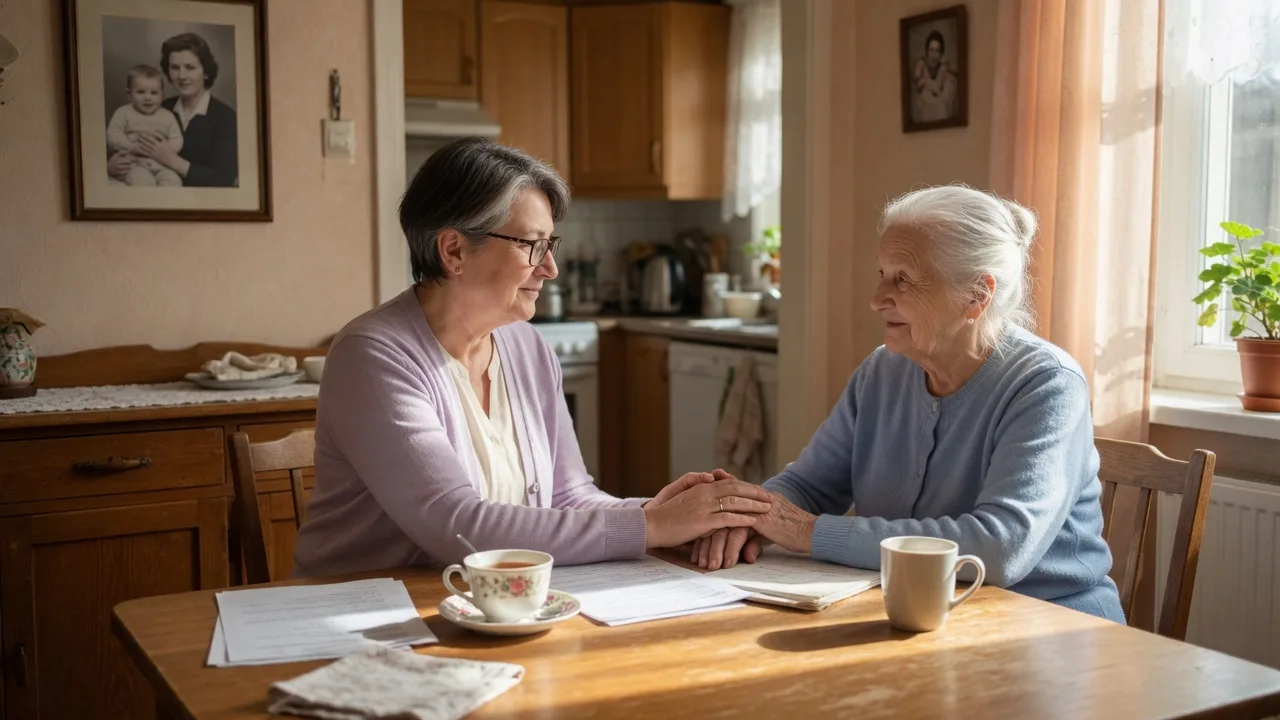
Meet Rachel, 54, whose 76-year-old father, Tom, took out a reverse mortgage three years ago to help pay for care after his wife passed. Life has been complicated since: Tom has been dating, and Rachel has started quietly worrying about what would happen if her dad remarried, divorced, ran into financial trouble, or faced a wildfire near their neighborhood. She is not alone. Most of the questions I hear about reverse mortgages have nothing to do with how the loan works on a good day. They are about what happens when real life gets messy.
I have spent close to three decades helping families understand reverse mortgages in plain, reassuring terms, and I have walked families through all four of these situations. Here are the current, researched answers to the questions Rachel, and probably you, are asking.
1. What Happens to a Reverse Mortgage If My Parents Get Divorced?
A divorce does not automatically make a reverse mortgage due, and that is the most reassuring thing I can say up front. What happens next depends on who is on the loan: the answer is different for co-borrowers than for a spouse who was never on the loan.
If both spouses are co-borrowers, the loan can stay in place as long as at least one of the original borrowers continues to live in the home as their primary residence and keeps up property taxes, homeowners insurance, and maintenance. The departing spouse can be removed from the title, and the servicer will want a copy of the final divorce decree. The loan becomes due only when the last remaining borrower dies, sells the home, permanently moves out, or defaults on those obligations.
The trickier case is a non-borrowing spouse, a spouse who lives in the home but is not on the loan. HUD's rules give an eligible non-borrowing spouse the right to stay in the home and defer repayment after the borrowing spouse dies, as long as they were married at closing, remained married for the borrower's lifetime, were named as a non-borrowing spouse in the loan documents, and kept living there as their principal residence. A divorce ends that protection. Once a divorce is final, the ex-spouse no longer qualifies for the deferral, and if the borrowing spouse later moves out, the loan can become due and payable. This is a conversation to have with both a family attorney and a reverse mortgage professional before the divorce is finalized.
2. What If My Parent Remarries After Getting a Reverse Mortgage?
Rachel's worry about her dad remarrying is one of the most important questions families ask, and the honest answer is not what most people expect. A spouse who marries the borrower after the reverse mortgage has already closed does not automatically get the non-borrowing spouse protections a spouse on the loan at closing would have.
Here is why. HUD's non-borrowing spouse protection was designed for someone who was married to the borrower at closing, stayed married for the rest of the borrower's life, was documented as a non-borrowing spouse in the loan file, and lived in the home as their primary residence while keeping taxes and insurance current. A new spouse who marries in after closing is treated as an ineligible non-borrowing spouse, and the loan documents generally cannot be changed after closing to add them.
What does that mean in practice? If the borrowing spouse dies or permanently leaves the home for an extended period, the loan becomes due and payable, and the new spouse does not have the same built-in right to defer it. They would need to pay off the balance, sell the home, or refinance to keep it. The exact rules can vary with individual lenders and with proprietary reverse mortgages, which are not HUD loans, so the practical advice I give every family is this: before a parent remarries, sit down with a HUD-approved counselor and an elder law attorney and plan for what the marriage means for the loan.
3. What Happens to a Reverse Mortgage If a Parent Files for Bankruptcy?
Filing for bankruptcy does not automatically wipe out a reverse mortgage, and thanks to a few built-in protections, the outcome is usually less frightening than families expect.
The moment a bankruptcy case is filed, an automatic stay goes into effect that halts foreclosure and collection activity. During the bankruptcy, the loan servicer may pause further disbursements or line-of-credit advances, but a pause is not the same as the loan becoming due. A HECM, the FHA-insured Home Equity Conversion Mortgage, becomes due and payable only on specific maturity events: the last borrower dies, sells the home, permanently stops living there as a principal residence, or falls behind on property taxes, insurance, or other property charges.
After a Chapter 7 discharge or a completed Chapter 13 plan, disbursements typically resume and the loan continues as long as the borrower stays in the home and keeps the property charges current. The bigger point is that bankruptcy discharges personal liability for most debts, but a valid mortgage lien survives, so the lender's secured claim against the home remains. For a reverse mortgage this matters less than people think, because a HECM is a non-recourse loan: the borrower generally has no personal liability beyond the home's value, and deficiency judgments are barred. A borrower who keeps paying taxes and insurance can usually keep the home. Anyone considering bankruptcy should review the situation with a bankruptcy attorney before filing.
4. What If a Fire, Flood, or Disaster Damages the Home?
Because the home is the security for the loan, serious damage can trigger due-and-payable status, but HUD has specific disaster relief rules that protect borrowers, and they matter enormously after events like wildfires, hurricanes, and floods.
First, the insurance picture. HECM borrowers are required to carry hazard and fire insurance, plus flood insurance in designated flood zones, with the lender named as a loss payee. If the home is damaged or destroyed and not rebuilt, the loan is not simply forgiven: it becomes due, and it is repaid from the insurance proceeds and any sale of the property. Because the loan is non-recourse, borrowers and heirs never owe more than the property is worth, and the FHA mortgage insurance covers any shortfall.
Second, the relief timeline. In Presidentially-Declared Major Disaster Areas, HUD imposes an automatic 90-day foreclosure moratorium starting on the disaster declaration date, and HECM foreclosure timelines get extended. HUD has issued these moratoriums for recent disasters including hurricanes and the Los Angeles County wildfires. Borrowers who are away from the home temporarily should also notify their servicer so the absence is documented.
The most practical advice after a disaster is to keep property taxes and insurance current and to tell the servicer about the situation right away. The most common reasons reverse mortgages run into trouble after a disaster are unpaid property charges and missed loan requirements, not the damage itself. A short call to the servicer, followed by a conversation with a HUD-approved counselor, can keep a hard situation from becoming a foreclosure.
The Takeaway for Families
Step back and these four answers tell one coherent story. A reverse mortgage can survive a divorce if the right borrower keeps living in the home. A marriage after closing needs careful planning, because the non-borrowing spouse protections do not automatically extend to a new spouse. Bankruptcy pauses things without ending them, and the non-recourse feature protects the family. And a disaster is hard, but HUD's moratoriums and insurance rules give families room to breathe.
Rachel left our conversation feeling lighter. Her dad's reverse mortgage was not a trap waiting to spring on the first complication; it was a loan with known rules, and her family could plan around them. Yours can too, with the right information and the right professionals in the room.
If your family is facing one of these situations, you do not have to sort it out alone. A free, no-obligation consultation can walk you through how your parents' circumstances interact with the current rules.
Facing a Complicated Situation? Let's Talk.
I offer a free, no-obligation consultation to help you and your family understand how a reverse mortgage is handled through divorce, remarriage, bankruptcy, or a disaster, based on your parents' actual loan and circumstances. I am a Loan Officer at Emery Financial, licensed in California, Arizona, Colorado, Florida, Texas, and Washington, and I have spent my career explaining complex loan processes in plain, reassuring terms.
Schedule a Free ConsultationDisclaimer: This article is for general informational and educational purposes only and does not constitute financial, legal, tax, or mortgage lending advice, and it is not financial advice. Loan programs, interest rates, terms, and conditions are subject to change and vary based on borrower qualifications. The treatment of a reverse mortgage in a divorce (including HUD's co-borrower and non-borrowing spouse rules in Mortgagee Letters 2014-07 and 2021-11), the limited non-borrowing spouse protections for a spouse who marries the borrower after closing, the effect of an automatic stay and the non-recourse feature in bankruptcy, and HUD's disaster relief including the 90-day foreclosure moratorium in Presidentially-Declared Major Disaster Areas are based on current HUD, CFPB, and NRMLA guidance as of the publication date and may change; always confirm current terms and rules with a HUD-approved counselor, a bankruptcy attorney, an elder law attorney, or a qualified loan officer. Adam Heaney, NMLS #283076, is a Loan Officer at Emery Financial, 3432 Via Oporto, Suite 208, Newport Beach, CA 92663.